

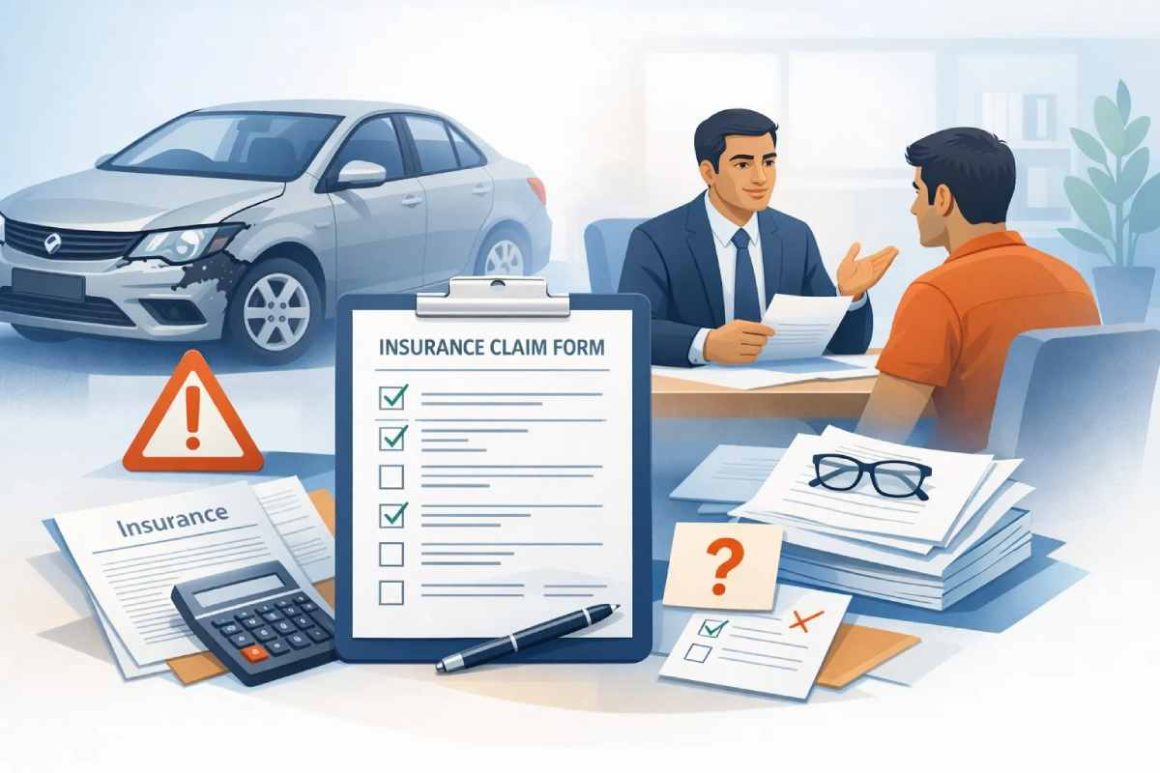
Buying insurance is an important step towards protecting your vehicle from unexpected expenses. However, having a policy does not automatically guarantee that every claim will be settled as expected. Many claim-related challenges occur because of mistakes made during policy purchase, renewal, documentation, or at the time of reporting damage.
Understanding these common errors can help vehicle owners make better decisions while choosing a car insurance policy and during the claim process.
Table of Contents
1. Choosing a Policy Only Based on Premium
One of the most common mistakes is selecting a policy only because it has the lowest premium. While affordability is important, a cheaper policy may not always provide adequate protection for your vehicle.
Before purchasing a policy, check factors such as coverage, exclusions, deductibles, claim process, and available benefits. A policy should match your vehicle value, driving habits, and protection requirements rather than being selected only based on price.
For example, a vehicle owner who frequently drives in high-traffic areas may have different coverage needs compared to someone who uses their car occasionally.
2. Not Understanding Policy Exclusions
Many policyholders review the coverage details but ignore exclusions. These exclusions define situations where claims may not be payable under the policy terms.
Common exclusions can include situations such as driving without valid documents, certain types of consequential damage, or incidents outside the scope of coverage.
Before buying or renewing a policy, carefully review the policy wording and understand what is covered and what is not. This can help avoid confusion when filing a claim.
3. Delaying Claim Reporting After an Accident
After an accident or vehicle damage, some people delay informing the insurer. This can create challenges during the claim assessment process.
Most insurers have specific timelines and procedures for reporting claims. Promptly informing the insurer and following the required steps can help ensure smoother claim processing.
Keep details such as photographs, accident information, repair estimates, and other relevant documents ready whenever possible.
4. Not Maintaining Accurate Policy Information
Incorrect or outdated information in your policy documents can create complications during claim processing.
Vehicle owners should ensure that details such as:
- Vehicle registration information
- Contact details
- Ownership details
- Personal information
are accurate and updated when required.
Providing incorrect information while purchasing or renewing a policy can affect the claim experience later.
5. Ignoring the Importance of IDV
The Insured Declared Value (IDV) represents the approximate insured value of a vehicle and plays an important role in comprehensive motor insurance policies.
Some vehicle owners choose a lower IDV to reduce their premium without considering the potential impact during a total-loss or theft claim situation.
While selecting coverage, consider whether the IDV offered reflects the approximate value of your vehicle and aligns with your expectations.
6. Not Considering Zero Depreciation Cover
Vehicle parts generally experience depreciation over time, which can affect the amount payable during certain claims. Many car owners do not understand how depreciation can impact their claim settlement.
A Zero Depreciation Car Insurance add-on can help reduce the impact of depreciation deductions on eligible parts during a claim, subject to policy terms and conditions.
This add-on can be useful for owners who want additional protection, especially for newer vehicles. However, it is important to understand the coverage limits, applicable conditions, and additional premium before selecting it.
7. Getting Repairs Done Before Insurer Approval
Another common mistake is starting vehicle repairs before completing the required claim process.
Many insurers require inspection or approval before repairs begin. Getting repairs done without following the process may create difficulties during claim assessment.
Before taking your vehicle to a garage, check the insurer’s claim guidelines and follow the recommended steps.
8. Not Keeping Documents Ready
Missing documents can delay claim processing. Vehicle owners should keep important documents accessible, including:
- Insurance policy details
- Vehicle registration certificate
- Driving licence
- Repair estimates
- Claim-related forms
- Other documents requested by the insurer
Maintaining proper records can make the claim process more efficient.
9. Skipping Policy Renewal
Allowing your motor insurance policy to expire can result in a gap in coverage. During this period, any vehicle damage may not be covered under the expired policy.
Renewing your policy before the expiry date helps maintain continuous protection. It also provides an opportunity to review whether your existing coverage, add-ons, and insured value still match your requirements.
How to Avoid Claim-Related Problems
A few simple practices can improve your overall insurance experience:
- Compare policies based on coverage, not only premium
- Read exclusions carefully
- Keep vehicle and policy documents updated
- Report claims promptly
- Follow insurer instructions before repairs
- Understand add-ons before purchasing
- Renew insurance on time
Conclusion
Motor insurance is designed to provide financial support during unexpected situations, but avoiding common mistakes is important to make the most of your coverage. Selecting the right car insurance policy, understanding claim conditions, and considering useful benefits such as Zero Depreciation Car Insurance can help reduce financial surprises during claim settlement.
A little attention while buying and maintaining your policy can make the claim process simpler when you need support the most.