

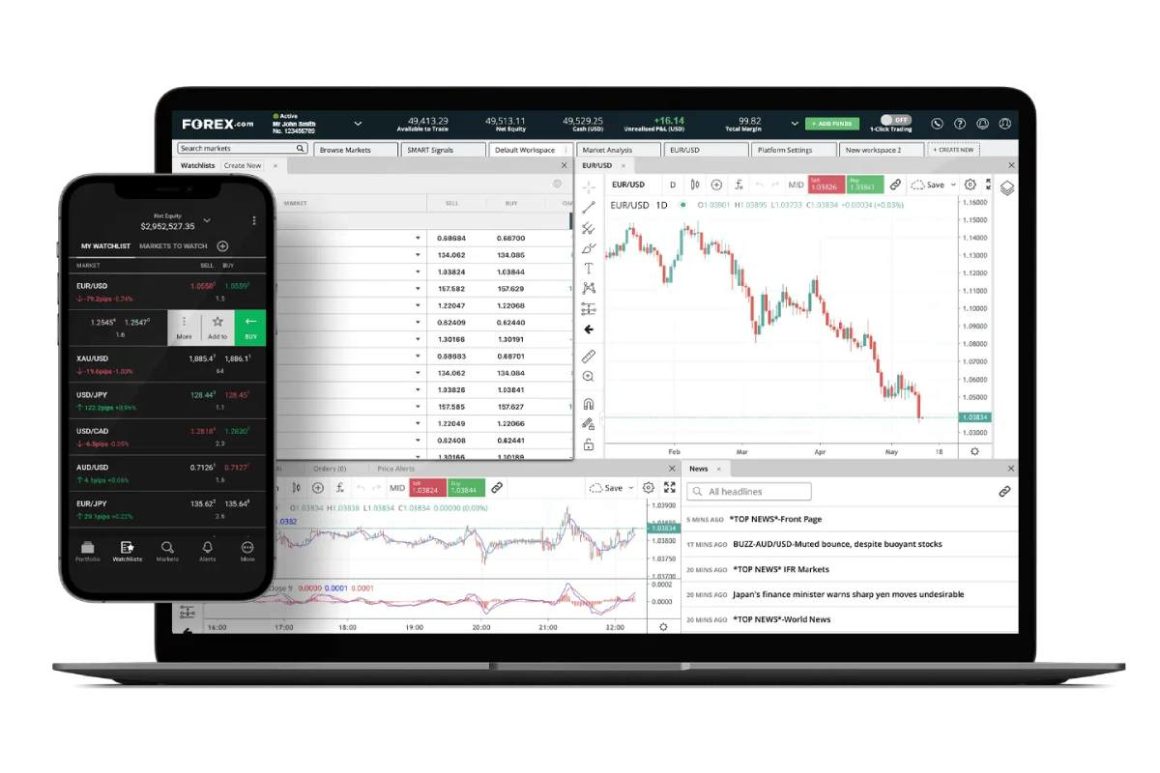
Choosing an online trading platform is a crucial decision for anyone seeking to participate in financial markets. Whether you are just starting or an experienced investor, the platform you use can significantly impact your trading experience, costs, and potential success. The ever-growing number of options can make this choice overwhelming.
This article explains the most essential factors to consider when selecting an online trading platform so you can become confident in making the right choice for your financial goals.
Table of Contents
Understanding Your Trading Goals and Needs
Before evaluating any particular platform, it is important to understand your own goals and needs. Are you planning to trade stocks, forex, commodities, or a combination of different instruments? Do you intend to be a frequent trader or more of a long-term investor? What is your level of experience with digital tools and financial markets?
Clarity about your objectives will help you narrow down the features that matter most. For example, an active day trader may require real-time data feeds and advanced charting, while a long-term investor may prioritise low fees and ease of use. Different platforms are designed to serve different types of users. Knowing what you want to achieve will direct your evaluation process and enable you to compare like with like.
Security and Regulation
When you move your money online, security should be a top priority. A trustworthy trading platform must operate within a regulated environment and adhere to strict financial laws. Regulation provides a level of protection and oversight that safeguards your investments and ensures transparent dealings.
Before committing to any platform, verify its regulatory status. Most reputable platforms will be regulated by recognised financial authorities in their operating countries. Look for clear information about regulation on the provider website rather than relying on third party reviews alone. Secure platforms will also offer robust measures to protect customer data and funds. Two-factor authentication, encryption for data transmission, and clear privacy policies are all features you should expect.
Security is not only about regulatory certificates. It also means the provider has a reliable history and strong operational resilience. Research any platform’s track record related to outages, breaches, or unresolved complaints. A secure and stable platform creates an environment in which you can trade with confidence.
Fees and Costs
Fees can quickly eat into your profits if you overlook them. Understanding the cost structure of a trading platform is essential before you begin using it. Different platforms have different ways of charging for trades, maintenance, access to tools, and data. Some of the common fees include commissions on trades, spreads, overnight financing fees for leveraged positions, and charges for withdrawing funds.
Some platforms pride themselves on zero commissions but may apply wider spreads or other hidden costs. Others charge a flat fee per trade, which may be more predictable but more expensive for frequent traders. The key is to examine how a platform’s fee structure aligns with your trading patterns.
Even small differences in fees can add up over time, especially for active traders. Don’t make decisions based on headlines or marketing alone. Read the fine print and consider creating a simple cost comparison based on your expected trading volume. This exercise will bring greater clarity to what you are really paying and how it affects your investment results.
Ease of Use and User Experience
User experience is another vital consideration when choosing an online trading platform. A well-designed, intuitive interface can reduce errors, save time, and enhance your overall experience. Conversely, a poorly designed platform might lead to frustration or even costly mistakes.
Look for a platform that feels natural to navigate. It should allow you to place and manage trades with clarity and minimal friction. Features like customisable dashboards, easy access to open positions, insight into account balances and performance, and straightforward order entry screens contribute to a platform that serves you well.
For beginners, an overly complex interface can be discouraging. For experienced traders, a lack of advanced features can feel restrictive. Many providers offer demo accounts or trial periods. These allow you to test the interface before committing real capital. Take advantage of these tools to ensure the platform matches your comfort level and preferences.
Taking the Next Step
Once you have evaluated the key areas discussed above, you will be in a strong position to make an informed choice. The right platform should match your goals, provide security and reliability, offer clear cost structures, and support you with useful tools and strong service.
If you would like to explore a reputable provider that offers a range of trading instruments, educational resources, and a user-friendly interface, you can visit this site to discover more about the options available and whether they align with your trading needs. This consideration is particularly valuable if you are just beginning your trading journey or looking to refine your platform selection.
Conclusion
Choosing an online trading platform is a decision that influences your financial path. It demands thoughtful evaluation of your goals, the platform features, security, costs, user experience, available tools, and customer support quality. Taking the time to assess these aspects reduces the risk of unwelcome surprises and builds confidence in your trading activities.
By aligning your needs with the right platform, you empower yourself to navigate markets with greater clarity and purpose. Whether you are just starting or refining your approach, this thoughtful process ensures your choice supports your financial goals and personal comfort with trading activities.