
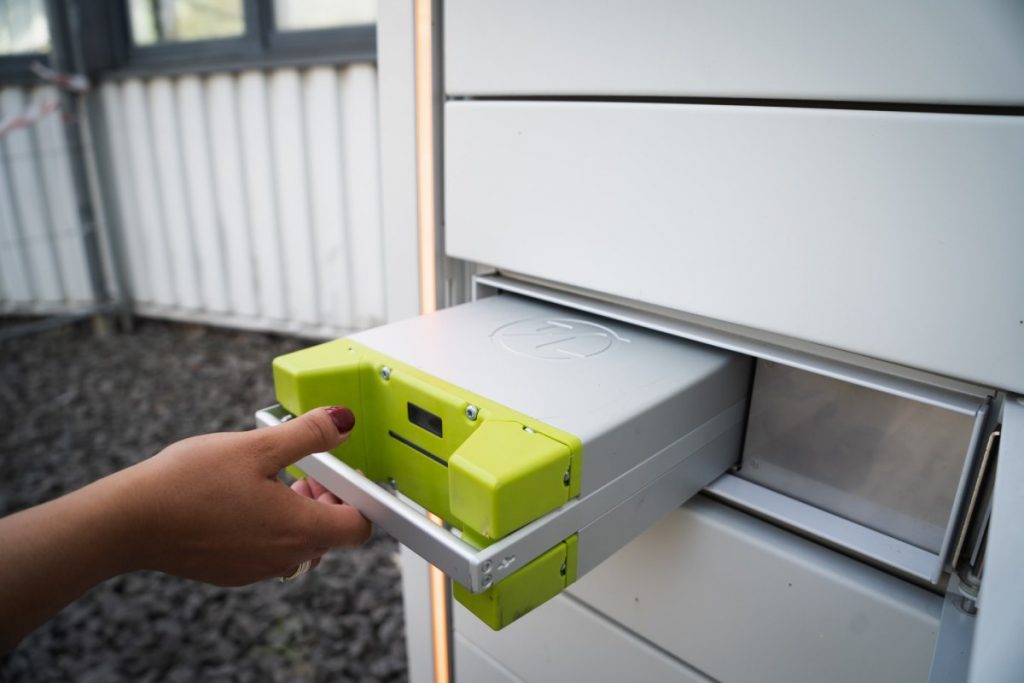
Batteries play a central role in our daily working lives. They power our vehicles and appliances, keep our data safe from blackouts and system failures, and help us save money on electricity.
From everyday household devices to advanced electronic equipment, batteries help keep many modern technologies running. Explore our guide to different types of gadgets to discover the devices that make daily tasks easier and more efficient.
But have you ever wondered about the history behind batteries? How did the idea of the battery come about, and who was the inventor? We’ll answer all your questions in this blog! Plus, you can get these nifty tools at any reputable supplier, e.g. RS Components.
Table of Contents
A Brief History of Batteries
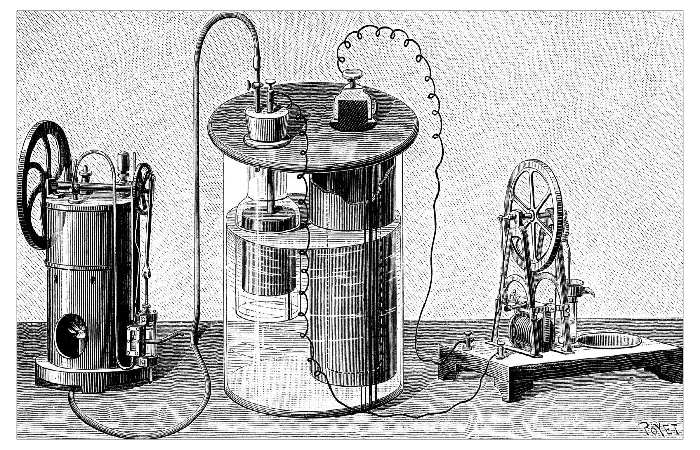
The history of batteries begins with an Italian physicist and physician named Luigi Galvani. Although Galvani did not invent the battery himself, his experiments with bioelectricity and animal electricity inspired further investigation that led to the battery’s invention.
Italian chemist and physicist Alessandro Volta is widely credited with inventing the electric battery in 1800. Inspired by Galvani’s early experiments, Volta’s design featured stack discs of zinc (Zn) and copper (Cu) separated by a cloth soaked with salty water. Each set of discs represented one cell.
When Alessandro connected a wire to either end of the stack of discs, he created a continuous, stable current. Each cell produced 0.76 Volts (V). Alessandro could multiply the voltage and produce more power by stacking the cells together.
Alessandro’s original battery design (and many designs that came after it) were not rechargeable. When their chemical reactions were complete, they would drain permanently.
The Transition from Early to Modern Batteries
The lead-acid battery, a design still in use today, is the earliest example of a rechargeable battery. French physicist, Gaston Planté, invented this battery type in 1859 after combining two lead sheets rolled into a spiral and separated with rubber strips.
When a reverse current passed through Planté’s battery design, it would recharge. His initial design led to several improvements in the coming decades, including:
- The Leclanché cell, which combined a manganese dioxide cathode, a zinc anode, a porous material, and ammonium chloride
- Zinc-carbon, the first dry-cell battery
- NiCd, the first alkaline battery
NiCd or nickel-cadmium batteries are still in use today for applications like flashlights, emergency lighting, and portable power tools. However, lithium-ion and nickel-metal-hyride batteries are becoming increasingly popular.
Portable power tools are used in a range of maintenance and renovation tasks, including removing paint, rust, and adhesive from different surfaces. Choosing a suitable tool and following its usage instructions can help improve control during these jobs. Learn more about YELL51X-OUZ4 for remover and its intended applications.
How Batteries Work
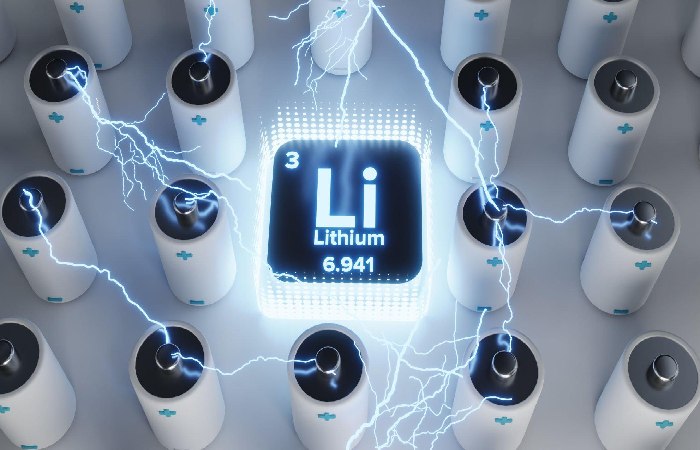
All batteries follow the same principle, regardless of their type—they store chemical energy and convert it into electrical energy. As chemical reactions occur inside the battery and electrons flow from one material to another, they create an electric current.
This stored energy is essential for operating many portable devices, from smartphones and wireless accessories to other everyday electronic gadgets. Understanding the different types of electronic gadgets also helps explain how battery-powered technology supports modern communication, entertainment, and productivity.
Rechargeable batteries, such as A rechargeable batteries, follow the same principle, but with one additional feature—a charger can reverse the flow of electrons and restore energy to the battery.
Looking to the Future of Batteries
The future of batteries looks promising, especially with the rise of electric cars and renewable power sources.
Improved battery capacity is also important for unmanned aerial technology, as it can influence how long a drone stays airborne and how effectively it performs different tasks. Explore the different ways drones are used to understand their applications across industries.
When following developments in technology, readers may also want to check product announcements and release timelines to understand when new products are expected to become available. For another product-related topic, see the information about the Cyroket2585 release date.
We’ve seen plenty of innovation in battery technology over the past few decades, with batteries storing more power and charging faster than ever before—and this trend is likely to continue.
Technological developments can also influence how investors assess opportunities across different industries. However, investment decisions require careful research into market conditions, potential returns, and financial risks rather than relying on innovation alone. Explore techniques for trading the Australian options market to learn more about options-trading strategies.
In the coming years, we can expect to provide more power, last longer, and store more energy in a smaller space, leading to more safety, stability, and environmental preservation possibilities.